


Developing Project Management Knowledge
(1) Project Managent Mentoring
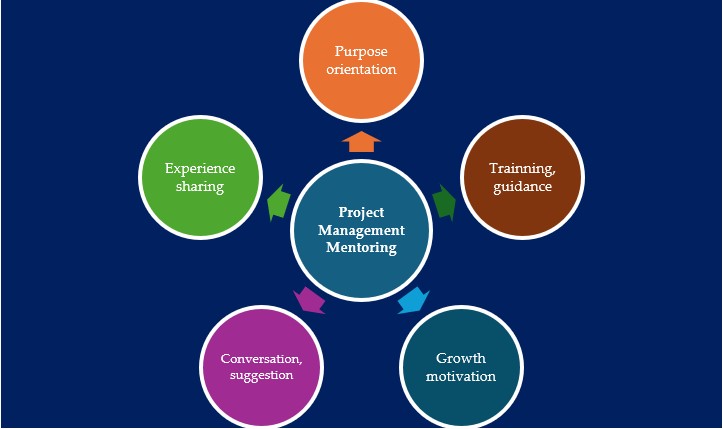
Project management mentoring involves developing professional relationships where the mentor is a highly knowledgeable and experienced individual committed to dedicate time and effort to the career development and personal growth of young professionals in project management. The mentoring relationship is a one-on-one relationship, between a mentor and a mentee.
Mentoring relationships are built and maintained on trust, mutual respect to exchange knowledge, skills, experience, and address professional challenges, while ensuring confidentiality of personal information. Mentors support and guide the career development of their mentees in the following ways:
- A mentor is a reliable source of professional insights;
- Mentors use open-ended questioning techniques to encourage the exchange of specific information about the issues the mentee is facing;
- They suggest career development options or plans for the mentee to strive to achieve their career goals;
- They recommend the exploration of resources (books, professional journals, tools, software, etc.) to help the mentee improve specific competencies;
- They assist the mentee in solving challenging professional problems during their project management practice;
- They exchange view points on the issues related to professional ethics;
- They discuss issues related to the project environment and ways to improve;
- They discuss, share experiences, and offer critical feedback from multiple perspectives to help the mentee find the right direction;
- Help the mentee identify gaps/shortcomings in their personal development plan.
Performance of a project management mentoring program offers numerous benefits to both the project management organization and its members. In particular, those participating as mentees receive benefits such as:
- Building truly meaningful relationships, improving self-confidence and self-awareness, gaining clearer career direction, enhancing communication skills, and increasing capabilities;
- To be mentored by an experienced professional for personal and career development;
- To establish or expand the professional network;
- To receive feedback and insights for strategic thinking;
- To boost confidence for success and clearly define your career path;
- To learn expertise, experience, and knowledge from the mentor.
(2) Project Management Training
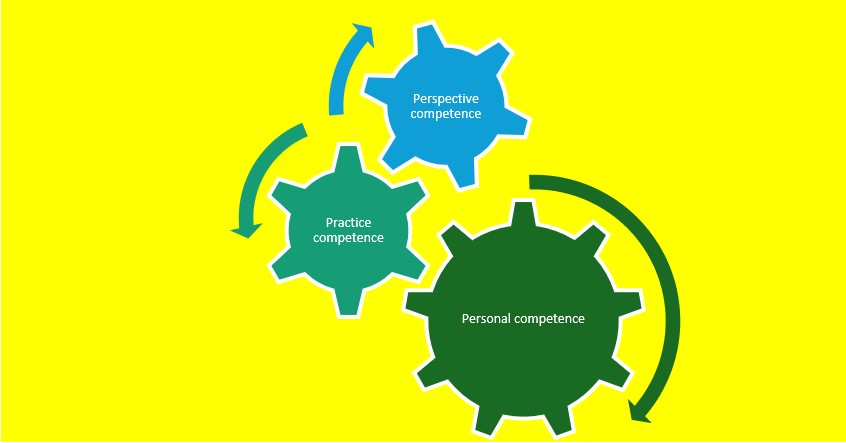
Organize training courses based on three competency groups for construction project management:
- Practice Competence (fundamental knowledge of project management);
- Personal Competence (thinking skills and professional ethical standards);
- Perspective Competence (understanding of current laws, basic knowledge of energy transition, digital transformation, and sustainable development).