

Designing Project Management Offices
(1) Consulting on organizational structure design, project management competence framework and personnel selection
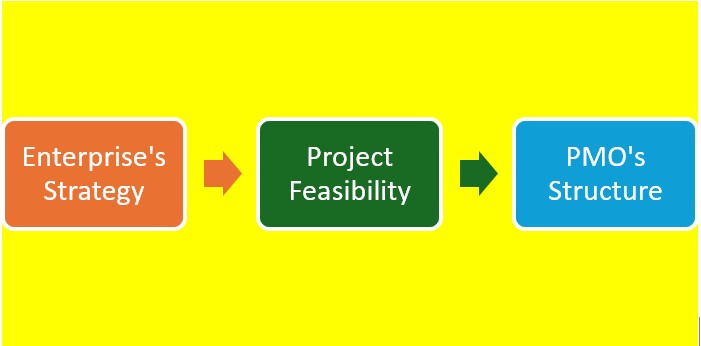
Providing consultancy service on designing project organizational structure, building project management competence framework, assisting in personnel recruitment, and creating a suitable project management culture.
The necessity of service:
The failure to select suitable personnel for a project is often due to a lack of necessary project management competence framework. Project managers or key personnel may be selected through “personal connections” or through “unfair competition.” These “substandard” personnel, when in management or leadership positions, often fall into the toxic leadership style, causing a multiple negative impact on the project environment and project objectives.
In terms of project organization, many organizations and enterprises were doing the organizational design task but only to an extent of project organizational chart. However, the resulting chart is merely “paper”, lacking practicality and failing to specifically show the roles and responsibilities of each position. Alternatively, there may be a good organizational chart, but the personnel within the organization or enterprise lack the necessary skills and experience for those positions, leading to a situation where some in-house personnel are forced to fill the gaps.
The assignment of authority and responsibilities to personnel positions within the project management organization is often unclear, sometimes even changing arbitrarily based on the subjective opinions of the leader.
As a result, the implementation and management of project work or decision-making at different levels are inconsistent, creating a untrust and incooperative project environment.
- Benefits for Organizations/ Enterprises: Rational organizational design, issuance of project management competence framework, and recruitment of competent personnel.
- Approach: To understand the organization’s/enterprise’s strategy in project performance and its scale, nature, and objectives; to analyze resource needs and propose an organizational structure, functions and responsibilities, key personnel positions, and competence standards for project management roles. To assist the evaluation process of candidates as required by the organization/enterprise.
(2) Consulting on building a set of professional ethical standards for project management
The necessity of service:
Human beings have a strong tendency towards ego-centeredness, leading to self-interest, using others to serve one’s own purposes, and becoming selfish, prejudiced, and self-justifying. As a result, the common good and the interests of the community are compromised. To eliminate this tendency, we need to recognize ethical principles, develop ethical thinking skills, and thereby cultivate ethical will and positive tendencies within ourselves, promoting ethical behavior outwardly.
Meanwhile, the practice of professional ethics in project management is still relatively new in Vietnam. Many enterprises investing on construction projects as well as many PMOs have not established codes of professional ethics for project management.
For the reasons mentioned above, the noble duty of the leaders towards the project, the organization, and the community and society is to develop and practice a set of professional ethics for project management within their organization, through the following steps:
+ Develop and issue a code of professional ethics for project management;
+ Ensure commitment from senior management to project personnel to adhere to the code of professional ethics;
+ Establish a system for controlling and monitoring the implementation of ethical standards within the enterprise;
+ Establish an ethics department within the enterprise to disseminate the code of ethics, monitor its implementation, advise on handling ethical situations within the enterprise, and serve as the central point for receiving and processing reports of ethical violations.
- Benefits for Organizations/ Enterprises: Creating a highly trusting and collaborative project environment, enhancing work efficiency and laying the foundation for project success.
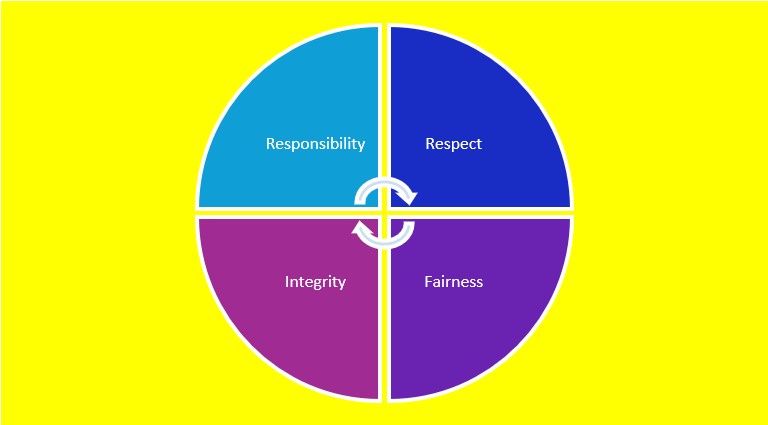
- Approach: Tìm hiểu văn hóa, tầm nhìn, sứ mệnh của doanh nghiệp; xem xét các loại hình dự án được doanh nghiệp đầu tư, thực hiện; nghiên cứu các khái niệm đạo đức phù hợp; và đề xuất các quy tắc hành vi đạo đức trên cơ sở 4 chuẩn mực đạo đức nghề nghiệp quản lý dự án: trách nhiệm, tôn trọng, công bằng và trung thực. To understand the enterprise’s culture, vision, and mission; to examine the types of projects being implemented; to study appropriate ethical concepts; and to propose ethical codes of conduct based on the four ethical standards of project management: responsibility, respect, fairness, and integrity.